

There’s all sorts of useful, actionable advice that I could give to aspiring novelists. All sorts of suggestions that would make your finished texts leaner, whippier and altogether more memorable. I could tell you the things to avoid. The things that, without fail, will make an agent or an editor pass on your manuscript.
But what if I told you that the most important element in getting a novel published, by far, isn’t the technical stuff. It isn’t voice, style, atmosphere, or point of view. It isn’t structure, or show-don’t-tell. These things matter, obviously. They matter massively. But there’s something that matters more. It’s really simple at one level, dazzlingly so. But getting it right may well require you, as the writer, to completely reframe your process.
I’ve talked to would-be authors about this, but I’ve found that most don’t listen, or don’t really listen. They know what kind of book they want to write, they know that you should Write About What You Know, and they know about POV and plot and show-don’t-tell, etcetera. What they don’t know is that, as often than not, they’re stuck before they start.
The problem is partly to do with the notion of the novelist as an ‘artist’, subject to ‘inspiration’. ‘Write what you want to write,’ prospective fiction writers are told. ‘Look inside yourself’. It took me most of my career as an author to find out that, most of the time, this simply doesn’t work.
Here’s what does. Forget, for the moment, all those ideas for novels stacked up in your head or on your screen. Empty your mind, close your laptop, and ask yourself: who am I really? Who’s behind my public mask? Take time to figure that out. Because once you have, you’ll know who your readers are. They’re your virtual tribe. I don’t mean people who are necessarily your age, your gender, or even your generation. But people who vibrate on your frequency. People who find the same things funny and exciting and heartbreaking.
When you’ve identified your tribe, consider their needs and their longings, which are probably not so very different from your own. Are they looking for connection? Escape? Understanding? You must answer this question, because it’s from that understanding that you will work backwards towards your novel.
It’s such a simple idea, but it changes everything. Don’t look inside yourself and work forwards from so-called ‘inspiration’. Look outwards at your readers and work backwards from their needs and dreams. The technical aspect of writing is important, but fiction is nothing without prose that resonates, and resonance is born of understanding. That’s what keeps your readers reading, and that’s what editors and agents are looking for.
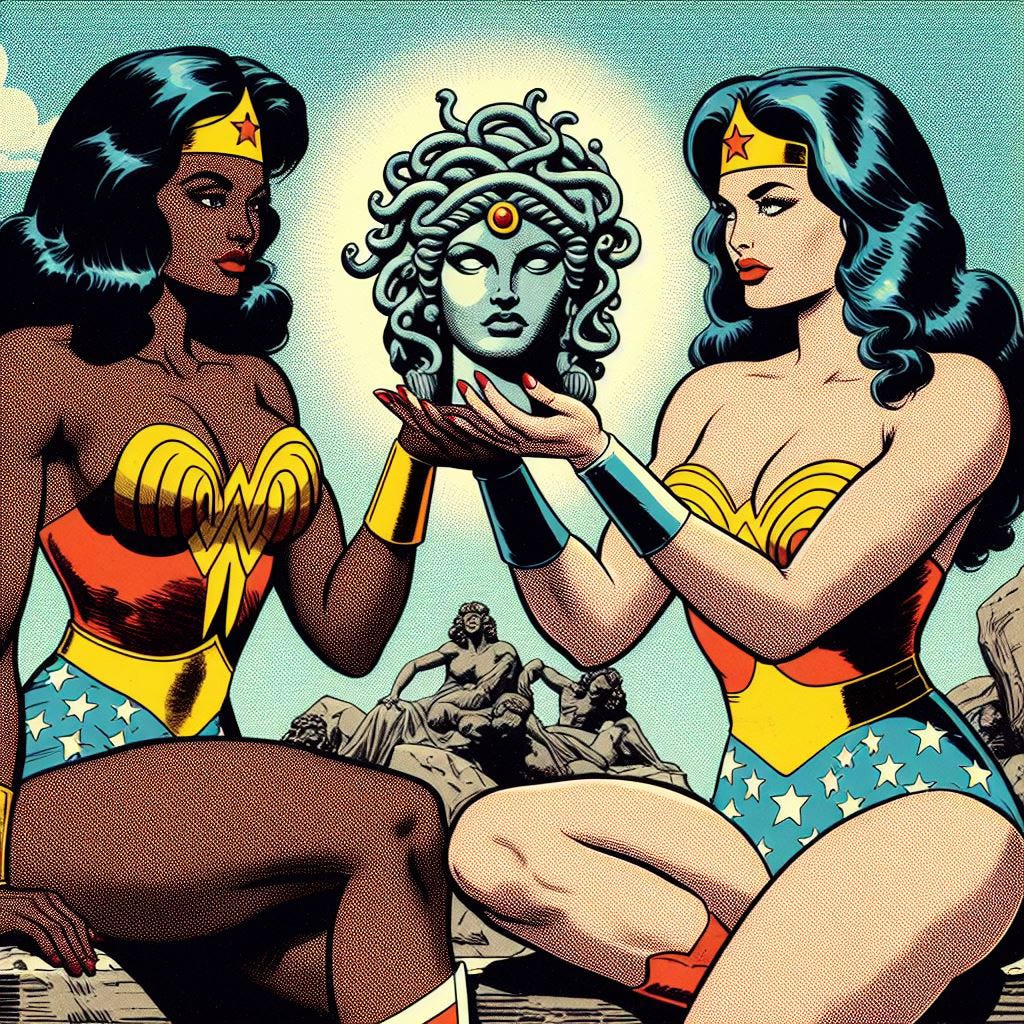
My new novel Killing Eve: Medusa is published on May 11. You can pre-order it here.
Merci Luke de ces conseils.
Thanks, I write non-fiction for health professionals and the general public and this advice feels just as pertinent.
After all, who wants to write “just another text book”. To really make a difference, a book must resonate sufficiently to move people to action.
So maybe this advice is even MORE critical for non-fiction writers.